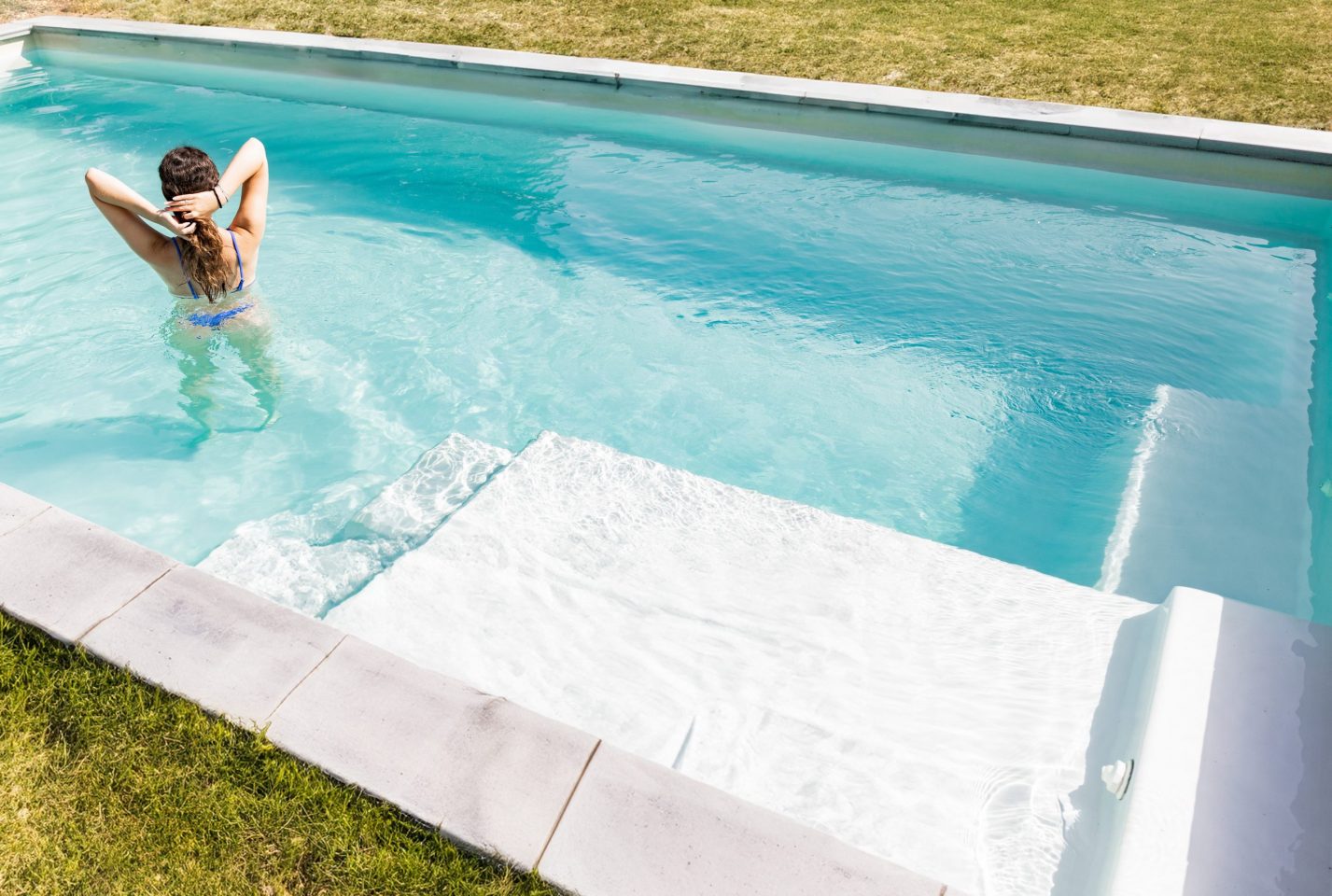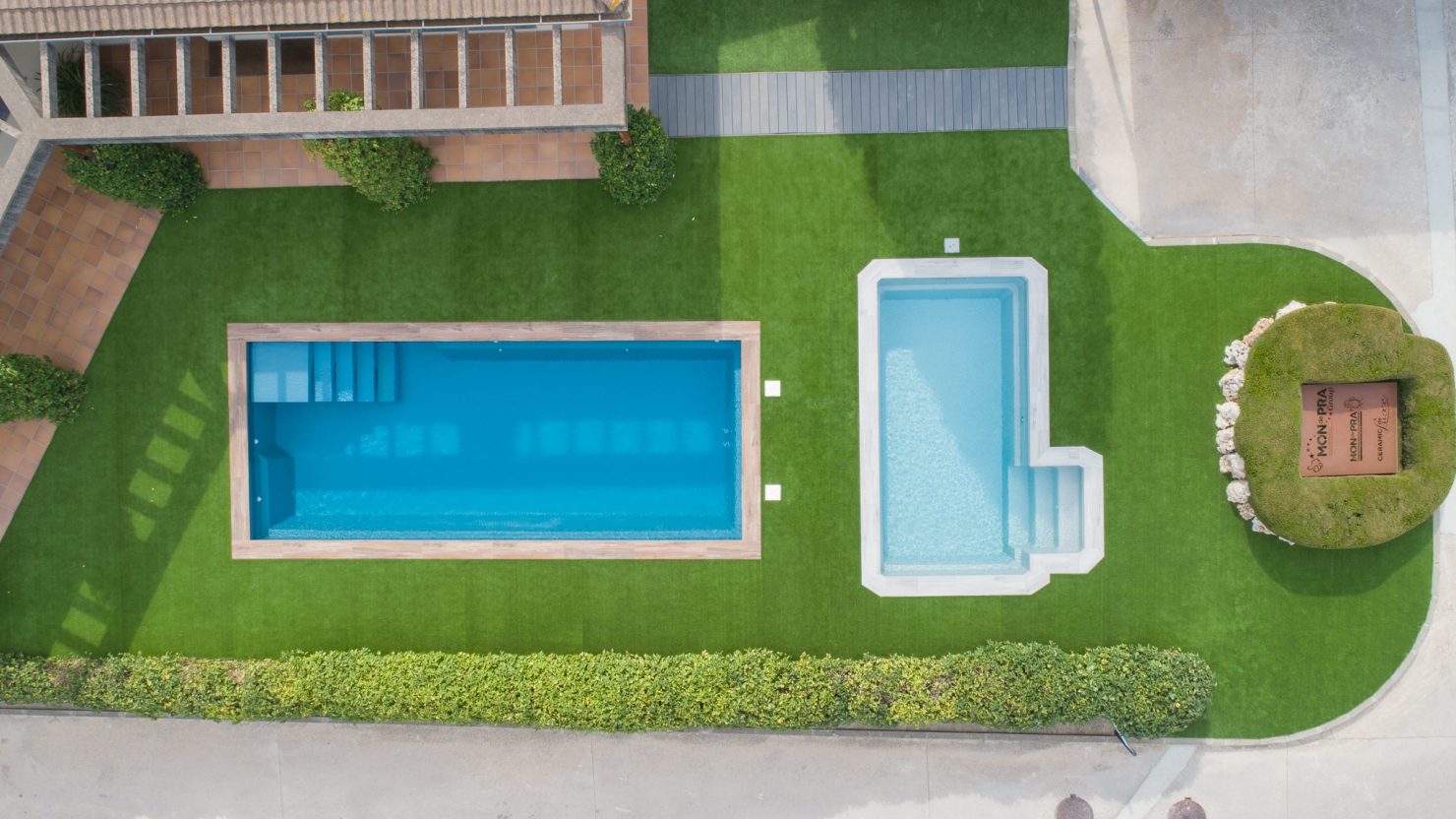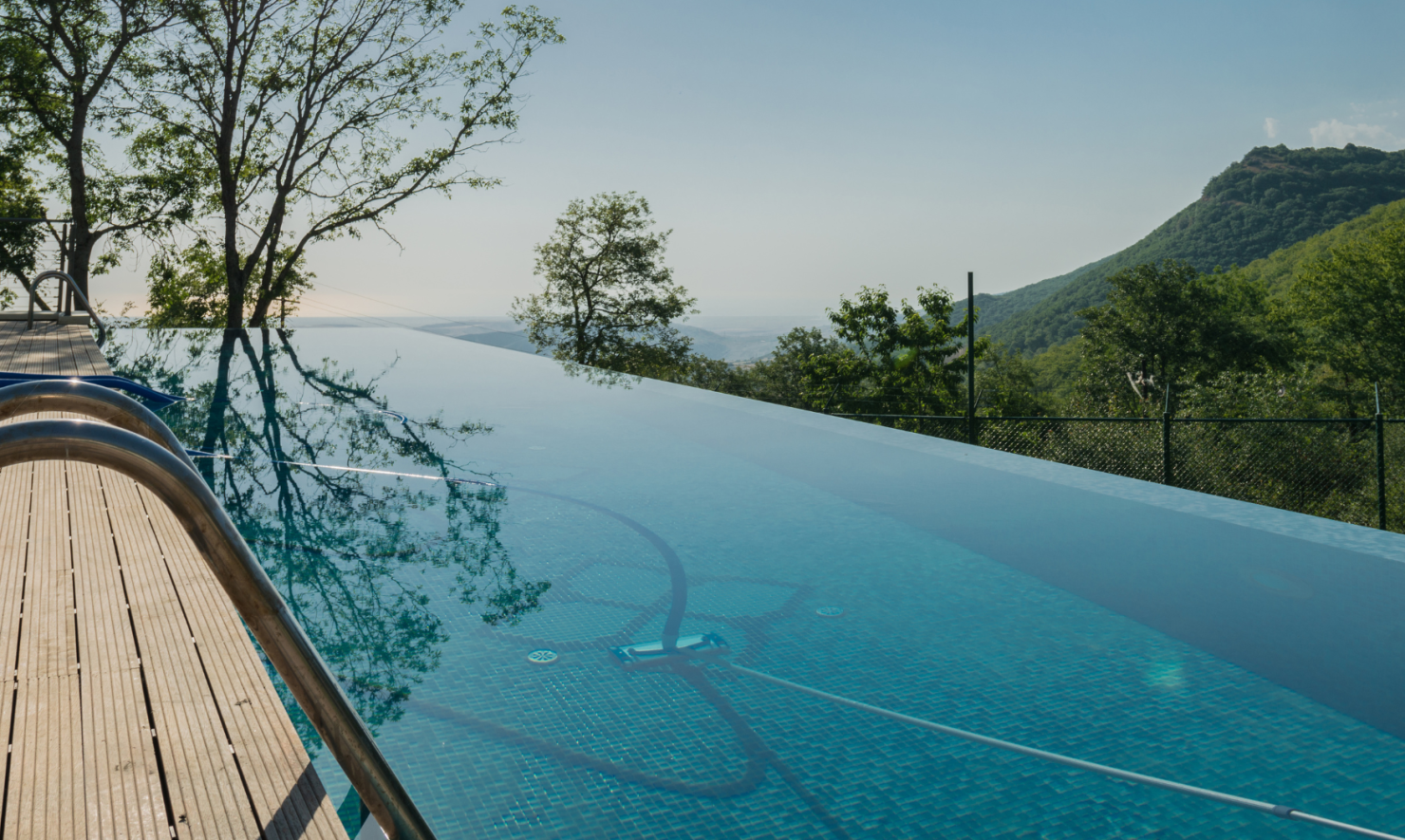


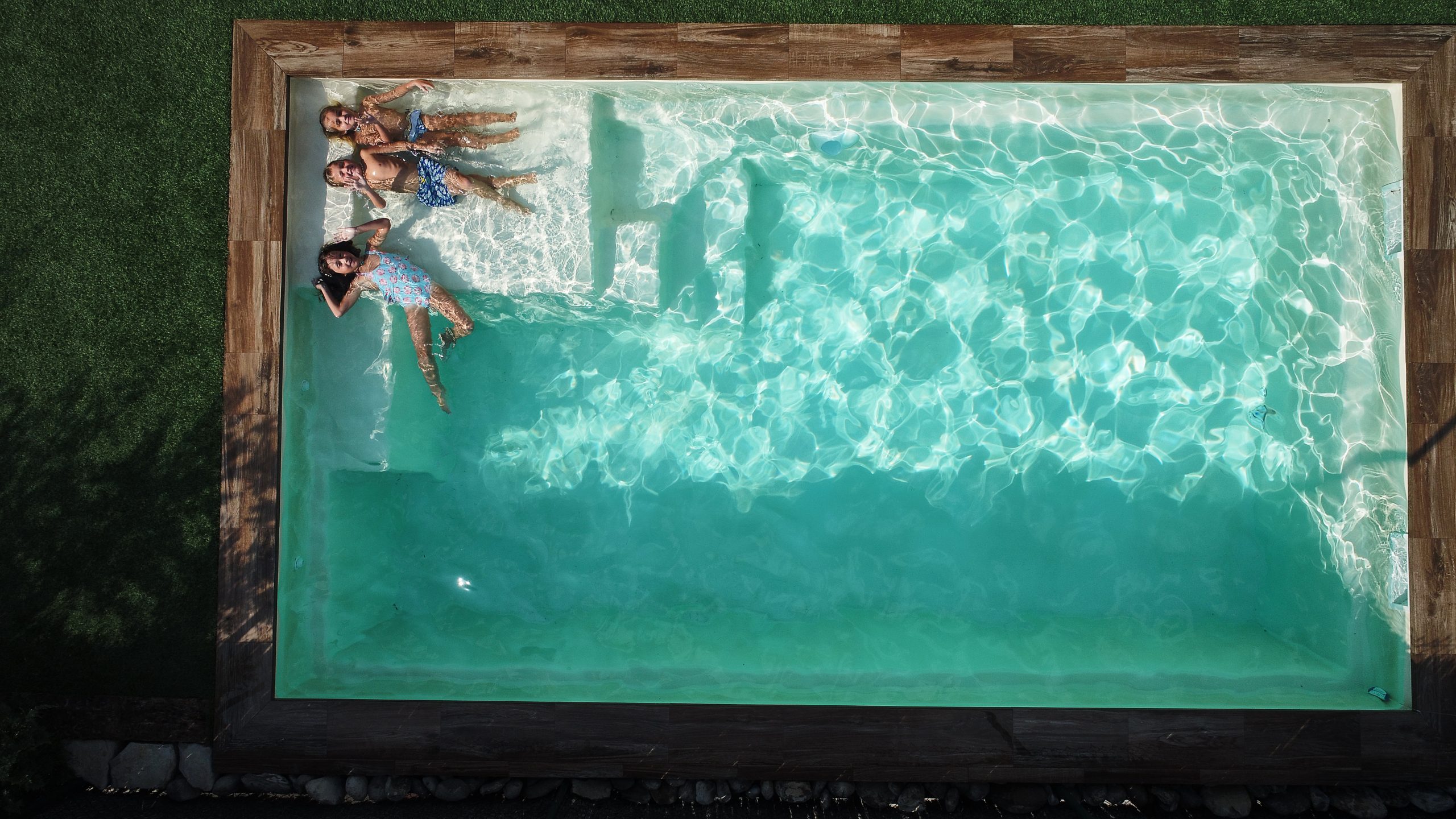
Preparing prefabricated pools is the main objective of many people when the hot season arrives, with the desire to leave them in excellent conditions for use. To enjoy the summer season, maintenance and cleaning of the pool water are essential.
How to prepare the pool for summer
Before the opportunity to take your first swim arrives, we teach you seven simple tricks so you can prepare your pool well for summer.
Prepare the pool before the heat arrives
A very common mistake is to start preparing the polyester pool at the last minute, when the temperatures no longer allow for comfortable work. Doing it a little in advance avoids stress, also achieving better results.
A little before the heat arrives, it is advisable to see if there are cracks or any damage that could cause water leaks.
Do not use soaps to clean
When cleaning the pool you have to keep in mind that soaps react with chlorine and the chemistry can affect the health of bathers. It is best to use brushes and acids as substitutes for soap; In addition, it is advisable to use an anti-algae agent to remove plant debris attached to the walls. And when using acids, take appropriate precautions to avoid unnecessary accidents.
Check the purifying part
The mechanical parts of the pool fulfill a primary function; Therefore, the filters and pumps whose function is to clean the water daily must be checked periodically.
It is essential to check the purifying part and remove any remains of waste lodged in its compartments. After this process you can let it filter for a full day.
Evaporating chlorine is a good option
Chlorine is a chemical element that evaporates quite quickly, but it can happen that chlorine levels are very high if a maintenance treatment was used throughout the winter. In these cases, we recommend removing the treatment elements such as containers or pills and letting the water sit for a few days. If the type of chlorination is saline, also check the concentration levels using an electronic meter.
Control the algae problem
If the pH and chlorine levels are correct, algae problems should not appear. These are microscopic aquatic organisms that damage the pool over the years by adhering strongly between the pores of the structure.
A trick to remove them is to use flocculants that loosen the algae from the walls. But you have to use them wisely because too much can cause problems.
Check the chlorinator cell
In salt chlorination systems, it is important to see if they are covered in lime and clean them according to the manufacturer's specifications.
It is good to observe if there is corrosion on the plates and pay attention to the edges, which are usually more susceptible to deterioration. There are times when the cell configuration does not allow access to the plates for proper maintenance.
Sandwash your polyester pool
To do this you have to disconnect the purifier, placing the selection valve in the wash position. Connect the purifier and see through a transparent viewer if the water is cloudy or not. After a reasonable amount of time, the water will look clear and clean; For small pools, five minutes is enough.
We recommend that you subsequently move to the rinse position so that any floating dirt particles go down the drain.
Finally, we remind you that once the summer season is over it is advisable to protect prefabricated pools. Existing systems, such as tarps, do not involve a great expense and avoid having to frequently clean the bottom and walls of the pool.