

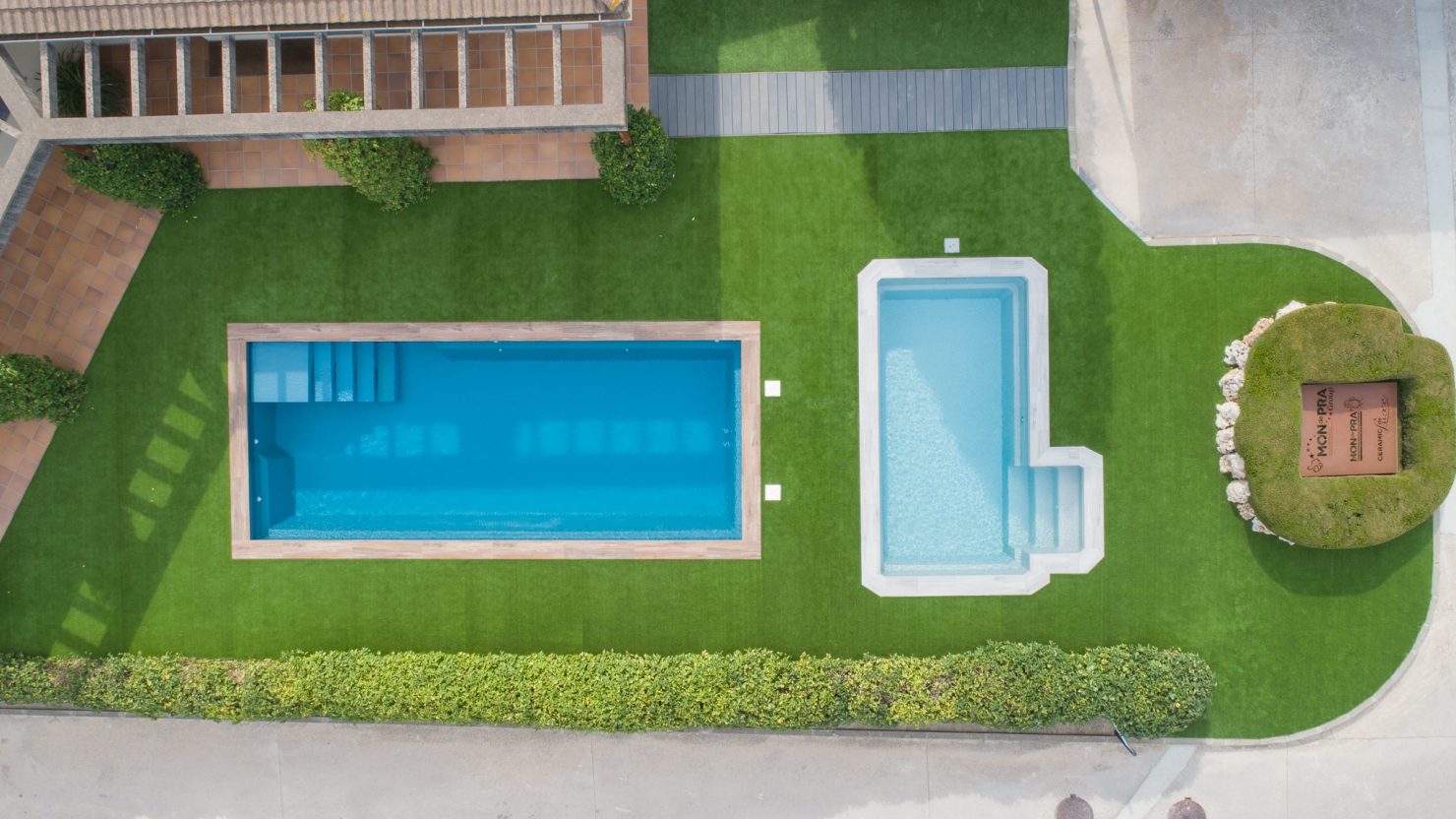
Comparison of types of swimming pools: durability, cost, finishes, construction time, energy efficiency and environmental benefits.
There are a wide variety of swimming pools available on the market. The main criteria to analyze to choose the best option include cost, available space, durability, energy efficiency, completion time and environmental impact. Here is a summary of the most common types of swimming pools: concrete swimming pools, removable swimming pools, raised swimming pools and fiberglass swimming pools, compared according to these criteria.
1. Concrete swimming pools
Durability: Very high, up to 30 years or more.
Cost: High, due to custom construction.
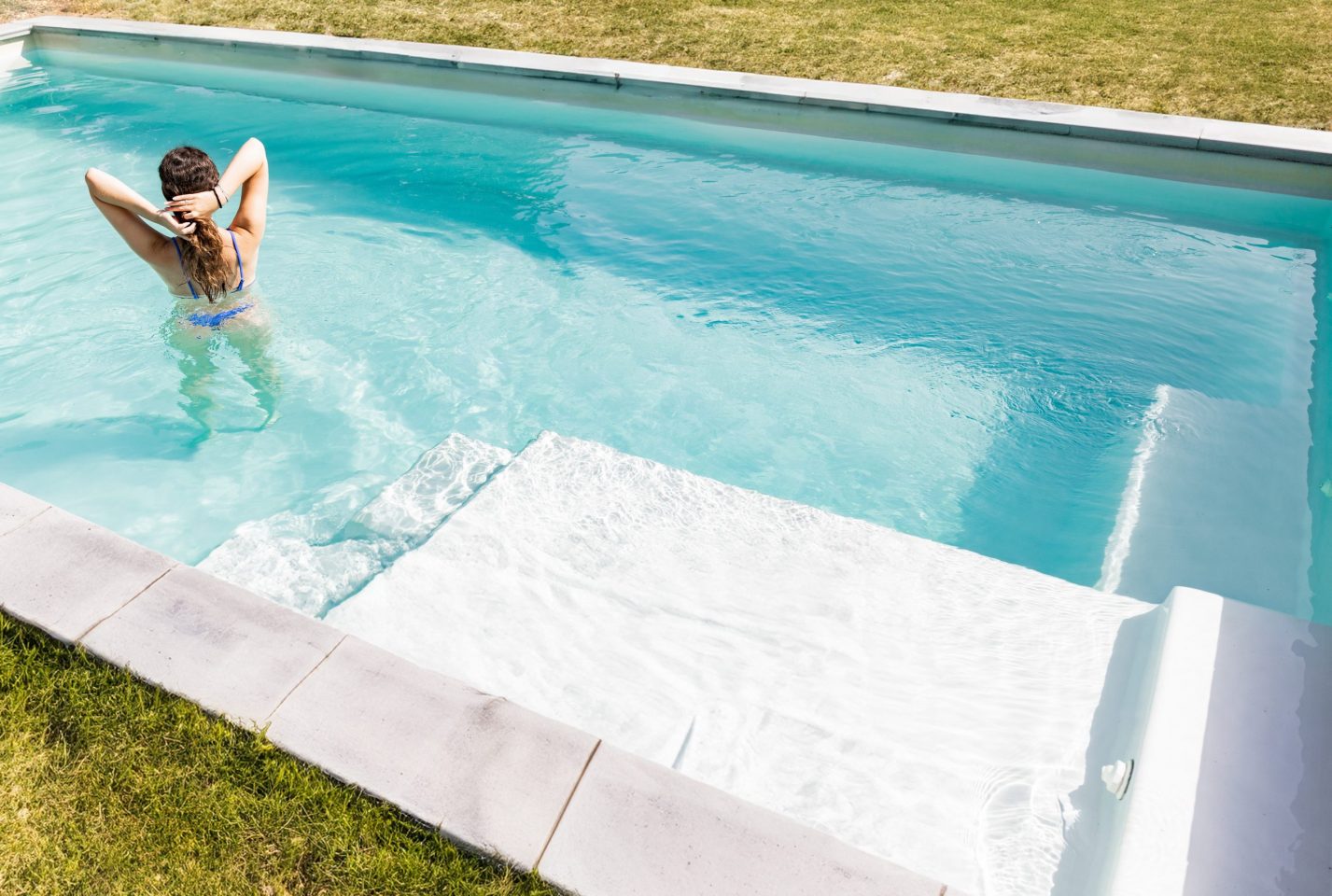
Finishes: Customized in terms of color, shape, design and dimensions. You can design the pool according to your wishes.
Energy efficiency: Rather low, as concrete pools tend to lose heat quickly. Additionally, leaks can occur over time, particularly due to tectonic movements, leading to significant water loss and requiring frequent repairs.
Environmental impact: Higher due to the materials and resources used for construction.
Ideal for: Those looking for a durable and personalized swimming pool.
Estimated time for production and assembly: 3 to 4 months. Building permits and necessary authorizations.
2. Removable swimming pools
Durability: Moderate, 5 to 10 years, depending on maintenance.
Finishes: Limited to basic colors like white and blue. These pools are generally small in size and designed for quick installation. A typical example are the swimming pools offered by Decathlon.
Cost: Low, installation is economical and quick.
Energy efficiency: Low, because the water cools quickly.
Environmental impact: Low, the materials used are recyclable and generate less waste, although these swimming pools are often made from non-recycled plastic. Additionally, installation and dismantling result in high water consumption.
Ideal for: A temporary and economical solution for small spaces, and for cooling in summer.
Estimated time for completion: Less than a day for installation. No building permit required.
3. Raised pools
Durability: Moderate, from 5 to 15 years, depending on the type of raised pool chosen.
Cost: Relatively low, as there is no excavation work required, although the cost can be similar to a small concrete pool, depending on the material used.
Finishes: Designs are limited, with basic colors and reduced sizes to minimize weight. However, this can vary depending on the materials and type of pool.
Energy efficiency: Low to moderate, depending on the material used.
Environmental impact: Low, as fewer resources and materials are required.
Ideal for: Small spaces or sloping terrain.
Estimated time for construction and assembly: From 1 to 3 weeks, depending on the material of the pool. Permits required, but no building permit.
4. Fiberglass Pools
Durability: Very high, up to 20 years or more.
Cost: Moderate, less expensive than concrete pools, but more expensive than removable pools.
Finishes: Although the shapes are predefined, some brands offer more than 80 different models in terms of sizes, designs and colors. For example, Mon de Pra Pools offers more than 80 different designs, and Ceramic de Luxe offers the widest range of colors for polyester pools in the world. These fiberglass pools are available in several sizes and options.
Energy efficiency: Very high, thanks to the smooth surface which retains heat. This is even more effective if the pool contains ceramic particles in its composition, such as the Ceramic models from Luxe Pools.
Environmental impact: Low, because they are easy to maintain and are recyclable.
Best for: Those looking for a durable, energy efficient and environmentally friendly swimming pool.
Estimated time for production and assembly: 3 to 4 days, subject to favorable weather conditions. Generally, installation is completed in less than a week. Some small swimming pools can be installed at height, provided they are properly reinforced and validated by an architect. Building permits required in some areas, but in other areas of France or abroad, building permits may not be required depending on the size of the pool.
If you are looking for durability and customization, concrete swimming pools are ideal. For more economical and environmentally friendly options, and if you have limited space, removable and raised pools are perfect choices.
If you want a durable, efficient and ecological swimming pool, fiberglass swimming pools offer an excellent compromise between cost, energy efficiency and respect for the environment.